





Pulse air tightness testing for buildings
Pulse air tightness testing for buildings is considered an alternative method to standard blower door test to measure the air tightness of a building. In June 2022 the published edition of the UK Approved Document L of the Building Regulations, for the first time included approval of an alternative method of airtightness testing to the traditional approach using a fan pressurisation system.
The pulse system approach measures the air leakage of a building at a near ambient pressure level of 4 Pascals (Pa) rather than the standard blower pressure of 50 Pascals (Pa), allowing for a portable compressed-air based unit. This lower pressure testing give an air leakage measurement representative of inhabited conditions of the buildings and simplifies the process of testing removing the need for block up doorways and fans to penetrate the building fabric, so less disruptive.
Whilst the system is approved by the buildings regulations for use in UK buildings industry responses to the Future Homes Standard consultation revealed that there was some lack of confidence in the method, when dealing with very airtight properties, and more generally in comparing the different testing methods. A study published in Energy and Buildings Volume 295 (15 September 2023, 113270) "An investigation into the efficacy of the pulse method of airtightness testing in new build and Passivhaus properties" (Harriet Seddon & Hua Zhong) However showed that when extrapolated up to 50 Pa all fell within the fan pressurisation’s 10% uncertainty range.
The technology was developed by The University of Nottingham, and is now commercially-licensed to tech start-up, Build Test Solutions (BTS), for further information visit https://www.buildtestsolutions.com.
[edit] Related articles on Designing Buildings
- Air change rates.
- Air infiltration.
- Air permeability in isolation rooms.
- Air permeability testing of isolation facilities.
- Air tightness in buildings.
- Approved documents.
- Building emission rate.
- BREEAM Testing and inspecting building fabric.
- Building services compliance with the building regulations.
- Domestic ventilation systems performance.
- Draughts in buildings.
- Dwelling emission rate.
- Dwelling type.
- Energy audit.
- Energy performance certificates.
- HVAC balancing.
- Infrared thermography.
- Let us evolve our buildings from being passive structures to interactive and reactive systems.
- Performance gap.
- Permeability.
- Pervious.
- Porous.
- Standard assessment procedure.
- Target emission rate.
- The history of non-domestic air tightness testing.
- Thermal imaging to improve energy efficiency in building design.
- Featured articles and news
- Energy Efficiency Taskforce disbanded after six months
- As energy efficiency regulations for landlords scrapped.
- Specifying third-party certification
Featured articles
Check out some of the best features and news from Designing Buildings as well as key stories from around the web.

Why construction can't afford to ignore the skills gap.
Building Safety Regulator, 19 August

Gill Kernick appointed Independent Chair of Residents’ Panel.
Connecting knowledge, technology and conservation
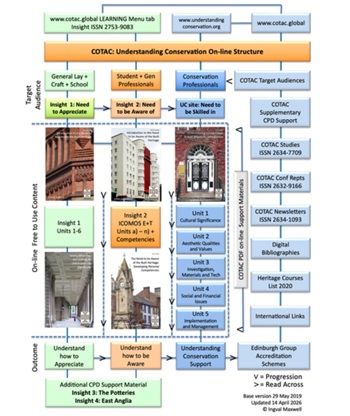
Building competence for the future of built heritage.
Building Regulations and Building Safety Act
CIOB publishes free advice for non-domestic clients.
Building Safety Newsletter from MHCLG.

An extraordinary record of steel engineering worldwide.

Households living near new pylons to save on bills.

ECA warns growth must not outpace grid capacity or skills.
The role of the client and decision making

CIOB response to built environment professions call for evidence.
Construction's sustainability reporting revolution
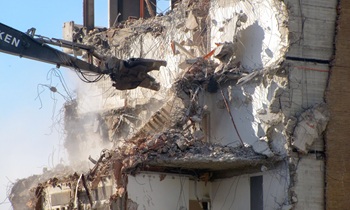
Tracking upfront embodied carbon with digital tools.
ECA welcomes procurement reforms

Public spending must back British jobs and skills.
Campaigning for Edinburgh: the Cockburn Association 1875-2049

The role of the civic voice in protecting character. Book review.